
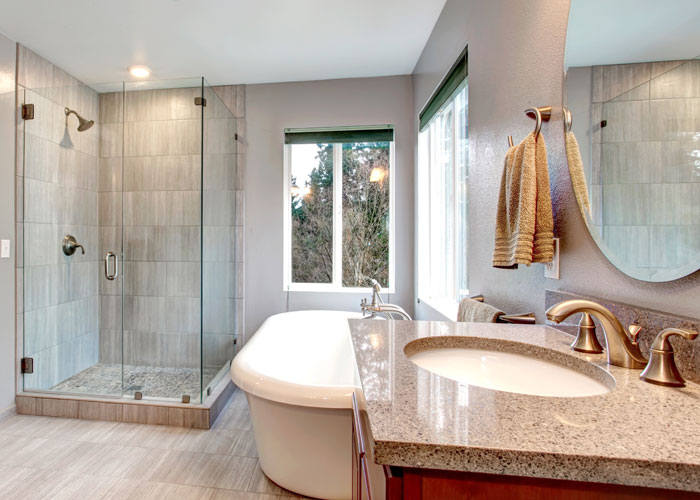
Shower Door Glass FAQs: How to Choose the Right Glass Shower Doors for Your Bathroom
Selecting glass shower doors involves more decisions than many homeowners anticipate. Beyond simply choosing between framed and frameless options, you’re considering glass thickness, finish treatments, door configuration, and hardware styles, all while ensuring the final selection works with your bathroom’s layout, aesthetic, and budget. The choices you make affect both daily function and long-term satisfaction with your bathroom.
At Golden Glass, we field questions about shower door glass regularly, and we’ve found that homeowners making informed decisions end up significantly happier with their installations. Here are the most common questions we encounter and the answers that help you choose the right glass shower doors for your specific situation.
What’s the difference between framed and frameless glass shower doors?
Framed shower doors include metal frames around the entire perimeter of the glass panels, providing structural support and defining the door’s edges. These systems typically cost less and work well in bathrooms with any decor style. The frames come in various finishes, like chrome, brushed nickel, and oil-rubbed bronze, allowing coordination with other bathroom fixtures.
Frameless glass enclosures eliminate most visible metal framing, using thicker glass (typically 3/8″ to 1/2″) that provides its own structural integrity. Small clips and hinges attach the glass directly to walls and adjacent panels, creating a clean, minimalist appearance. Frameless options cost more due to the thicker glass and precision installation required, but many homeowners prefer the open, spa-like aesthetic they create.
Semi-frameless options split the difference, using frames at key structural points while minimizing visible metal elsewhere. This approach balances cost and aesthetics, offering cleaner lines than fully framed doors without the premium price of completely frameless installations.
What glass thickness should I choose?
Glass thickness directly affects both appearance and structural requirements. Standard framed shower doors typically use 1/4″ glass, which provides adequate durability while keeping costs reasonable. The frame provides most of the structural support, so thinner glass works fine.
Frameless glass enclosures require thicker glass; 3/8″ represents the minimum, while 1/2″ delivers a more substantial feel and greater structural integrity. The thicker glass handles the stress of opening and closing without frame support, and it provides the weight and solidity that characterize premium frameless installations.
Should I choose clear or obscure glass?
Clear glass remains the most popular choice, offering unobstructed views and making bathrooms feel more spacious. It works particularly well in bathrooms with attractive tile work or fixtures you want to showcase. The downside? Clear glass shows water spots and soap residue more readily than textured options, requiring more frequent cleaning to maintain appearance.
Obscure or textured glass provides privacy while still allowing light transmission. Patterns like rain glass, frosted, or various geometric textures blur visibility without creating a completely opaque barrier. These options work well for shared bathrooms or when the shower is visible from other areas of the home.
Many homeowners choose clear glass for the door itself, but use frosted or textured glass for fixed panels that face toilets or other areas where privacy matters more. This combination enhances the space while providing privacy where needed.
What door configuration works best?
Door configuration depends entirely on your bathroom layout and how much space you have. Sliding glass shower doors work well in tight spaces where swing clearance is limited. The doors slide along tracks rather than swinging outward, making them practical for smaller bathrooms. However, sliding configurations require regular track cleaning to prevent buildup that affects smooth operation.
Hinged doors that swing outward provide wider openings and easier entry, but they require adequate clearance in the bathroom. These work best when you have at least 30″ of open floor space in front of the shower for the door swing.
Pivot doors offer another option, swinging both inward and outward from a central pivot point. This flexibility accommodates various bathroom layouts, though they require careful positioning to avoid hitting toilets, vanities, or other fixtures.
How do I maintain glass shower doors?
Maintenance requirements shouldn’t determine your selection, but understanding what’s involved helps set expectations. All glass shower doors benefit from squeegeeing after each use to remove water before it dries and leaves mineral deposits. Weekly cleaning with appropriate glass cleaners keeps doors looking their best.
Consider protective coatings that repel water and make cleaning easier. Many glass companies offer these treatments during installation, creating a hydrophobic surface that causes water to bead and roll off rather than sheeting across the glass and leaving deposits.
Getting the Right Installation
Even the best shower door glass delivers disappointing results when installed improperly. At Golden Glass, we specialize in glass shower doors that transform bathrooms through quality products and expert installation. Our team helps you navigate the decisions outlined above, ensuring your selections match your priorities and budget while delivering the functionality and appearance you’re expecting. Call us today at 800-64-GLASS or fill out our online contact form to schedule your consultation and learn how the right glass shower doors can elevate your daily routine.