
What Is a Point-Supported Glass System, and Where Does It Work Best?

When designers and builders want glass to be the main feature of a building, a point-supported glass system is often how they do it. This system lets you create large, unbroken glass surfaces without bulky metal frames getting in the way. The result is a clean, open look that lets in light and makes a strong first impression. If you own or manage a commercial property and want to understand what point-supported glass is and whether it fits your project, here’s a plain-language breakdown.

What Is a Point-Supported Glass System?

A point-supported glass system holds large glass panels in place using small metal fittings that attach directly to the glass through pre-drilled holes. Instead of a frame running around the edge of every panel, only a few small connection points are visible. Those fittings transfer the weight and wind pressure to a steel or cable structure behind the glass. The end result is a glass surface that looks almost frameless. You see the glass, but not the hardware holding it up.

Since holes need to be drilled into the glass before it’s treated, all glass in a point-supported glass system must be tempered glass. Tempered glass is much stronger than regular glass, which makes it the right choice for large, exposed panels that handle real structural loads.

How Is It Different From a Curtain Wall?

A curtain wall is another common way to cover the outside of a commercial building in glass. It uses a visible metal grid — rows and columns of aluminum framing — to hold each glass panel in place. The grid is easy to see from the street and gives the building a structured, modular look.

A point-supported glass system removes most of that visible framing. The glass panels are larger, the connection points are small, and the overall look is much more open and seamless. If the goal is maximum transparency and visual impact, point-supported glass achieves that in a way a curtain wall can’t.

Where Does a Point-Supported Glass System Work Best?

Point-supported glass is a strong choice any time a project calls for large, open glass surfaces with a clean, modern look. The most common uses include:

Building entrances and canopies: A glass canopy or entrance wall held by a point-supported system makes an immediate impression without blocking the view of the entry. This is one of the most popular uses in commercial and institutional buildings across Southern California.

Lobby walls and interior partitions: Inside a building, glass wall installations using point-fixed glass create open, bright spaces that still provide some separation between areas. Corporate offices, hotels, and retail spaces use this approach to keep things feeling connected while staying organized.

Skylights and overhead glass: When glass needs to go overhead without a heavy frame blocking light, point-fixed systems offer a safe way to make that work. Special laminated tempered glass is required for these applications to meet safety codes.

Commercial facades: For storefronts and mixed-use buildings where the exterior is part of the brand experience, a point-supported system creates a level of visual quality that standard framed systems don’t.

What Goes Into Building a Point-Supported Glass System?

Every point-supported glass system is custom-built for its specific project. The size and thickness of each glass panel, the spacing of the connection points, and the structure behind the glass all have to be designed around the site’s specific conditions, including wind loads and earthquake requirements.

Golden Glass works directly with project architects and structural engineers to make sure every system is both safe and true to the original design vision. We handle everything from engineering coordination through final installation.

Golden Glass is the nation’s premier architectural glazing contractor with more than 30 years of experience on commercial projects throughout Southern California and across the country. Whether you need a point-supported glass facade, a commercial handrail system, or any other custom glazing solution, our team can take your project from concept to completion. Call us at 800-64-GLASS or fill out our online contact form to get started with a free quote.

Tempered Glass FAQs: What It Is, Why It’s Used, and Where Your Home Needs It

If you’ve been exploring glass upgrades for your home, you’ve probably encountered the term “tempered glass” more than once. It’s one of the most widely used types of safety glass in both residential and commercial applications, and for good reason. But what exactly is it, how is it different from regular glass, and which areas of your home actually require it? Here are the most common questions homeowners ask about tempered glass, answered.

What Is Tempered Glass?

Tempered glass is glass that has been treated through a controlled thermal process to make it significantly stronger than standard glass. During manufacturing, the glass is heated to approximately 1,200 degrees Fahrenheit and then rapidly cooled. This process puts the outer surfaces under compression and the interior under tension, which dramatically increases the overall strength of the glass. The result is a material that is four to five times stronger than untreated glass of the same thickness and far safer when it does break.

What Happens When Tempered Glass Breaks?

This is one of the most important distinctions between tempered glass and regular glass. Standard glass fractures into large, jagged shards that can cause serious cuts. Tempered glass, by contrast, is engineered to shatter into small, rounded pieces with dulled edges, significantly reducing the risk of injury in the event that it does break.

This safety feature is the primary reason building codes require tempered glass in locations throughout the home where glass failure could be particularly dangerous, such as near doors, in wet areas, and at low heights.

Is Tempered Glass Required by Code?

Yes, in many common residential applications, tempered glass is required. California building code specifies that safety glazing, which includes tempered glass, must be used in locations where breakage poses a risk of injury. These include:

  • Shower doors and enclosures
  • Patio and sliding glass doors
  • Windows within 18 inches of a door’s edge
  • Windows lower than 18 inches from the floor
  • Glazing adjacent to stairways, ramps, and landings
  • Glass handrail systems and railings

For homeowners planning replacement windows, a glass handrail system, or any window installation near a high-traffic area, understanding these code requirements is part of ensuring the project is done correctly and legally.

Where in My Home Does Tempered Glass Make the Most Sense?

Beyond where code requires it, tempered glass is simply the smarter choice in any area of the home where impact, heat, or safety is a consideration.

Shower doors and enclosures: Wet, slippery environments make showers one of the highest-risk areas for glass breakage. Tempered glass is standard in all quality glass shower door and enclosure installations.

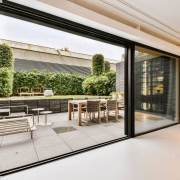
Patio doors and sliding glass doors: Large glass panels at walking height in frequently used areas are a prime candidate for tempered glass. The size and location of these panels make breakage safety particularly important.

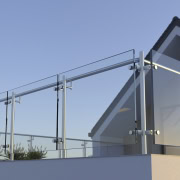
Glass railings and handrails: Whether used for a deck, balcony, or interior staircase, a glass railing system depends on tempered glass to provide the structural integrity and safety margin that the application demands. This is non-negotiable from both a code compliance and liability standpoint.

Double-pane windows: While the insulating glass unit in a double-pane window is often standard glass, tempered glass is used for the panes in locations where code requires it and is available as an upgrade for added durability and safety throughout the home.

Can Tempered Glass Be Cut or Modified After Manufacturing?

No. Once glass has been tempered, it cannot be cut, drilled, or ground without causing it to shatter completely. All cutting, shaping, and drilling must be done before the tempering process. This is why accurate measurements and professional installation matter. There’s no on-site modification once the glass is tempered and delivered.

How Do I Know If the Glass in My Home Is Already Tempered?

Tempered glass is required to have a permanent etched or sandblasted mark, typically in a corner of the pane, identifying it as safety glass along with the manufacturer and applicable safety standard. If you’re replacing existing glass and want to confirm whether it was tempered, look for that mark.

Golden Glass is the nation’s premier architectural glazing contractor, serving residential and commercial clients throughout Orange County and Southern California with decades of five-star craftsmanship. Whether you’re planning a shower enclosure, glass railing, or full window installation, our team will make sure every pane is the right glass for the right application. Call us at 800-64-GLASS or fill out our online contact form to get started with a free quote today.

Glass Shower Enclosures vs. Shower Curtains: Why More Homeowners Are Making the Switch

If you’ve been thinking about upgrading your bathroom, the shower is one of the highest-impact changes you can make, and one of the most common decisions homeowners face is whether to stick with a shower curtain or upgrade to a glass shower enclosure. While curtains have been the default for decades, more and more homeowners are making the switch to glass, and it’s not hard to understand why once you see the difference firsthand.

The Problem with Shower Curtains

Shower curtains are familiar, inexpensive, and easy to install, which is exactly why they’ve been standard in bathrooms for so long. But familiarity doesn’t mean they’re the best option, and over time, the drawbacks add up.

Curtains trap moisture. No matter how quickly you pull them back after a shower, the folds and seams stay damp, creating the ideal conditions for mold and mildew to develop. Even with regular washing, curtains and their liners need to be replaced frequently to keep the bathroom clean and hygienic. That ongoing replacement cost is easy to overlook, but it adds up over the years and can be wasteful.

Curtains also close the bathroom visually. A fabric barrier across the shower makes the space feel divided and smaller than it actually is. In bathrooms that are already modest in size, this effect is particularly pronounced.

Finally, curtains simply don’t hold up aesthetically the way glass does. They fade, collect soap residue, and date the look of a bathroom quickly, regardless of how stylish the pattern is when you first install them.

What Glass Shower Enclosures Offer Instead

Glass shower enclosures address each of these issues directly, which is the core reason so many homeowners are making the switch.

Cleanliness and hygiene are among the most immediate benefits. Glass is a non-porous surface, which means it doesn’t harbor mold or mildew the way fabric does. A quick wipe-down after showering is all it takes to keep the glass looking clean, and there are no liners to replace or curtains to launder. For homeowners who prioritize a clean, low-maintenance bathroom, this alone is often reason enough to make the change.

Visual impact is another major advantage. Glass shower enclosures open the bathroom up visually, allowing the eye to travel through the space rather than stopping at a wall of fabric. This effect is especially noticeable in smaller bathrooms, where a glass enclosure can make the room feel significantly larger and more open than it actually is. The shower itself also becomes a design feature rather than something to hide behind a curtain, particularly when paired with beautiful tiles or a rain shower head.

Durability is a significant factor as well. Glass shower doors and enclosures are constructed from tempered glass, which is heat-treated to be several times stronger than standard glass. Tempered glass is designed to withstand the daily demands of a shower environment, and when properly installed, a glass enclosure will last for decades without the need for replacement.

Frameless Enclosures vs. Sliding Glass Doors: Which Style Is Right for You?

Once homeowners decide to make the switch to glass, the next question is which type of enclosure suits their bathroom best.

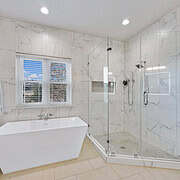
Frameless glass shower enclosures are the most popular choice for modern bathrooms. Without the metal framing around the perimeter, the enclosure has a clean, open appearance that works beautifully with a wide range of design styles. Frameless enclosures also have fewer places for soap scum and mineral deposits to accumulate, making them even easier to maintain.

Sliding glass doors are an excellent option for bathrooms with limited clearance. Because the doors slide along a track rather than swinging outward, they’re well-suited to smaller spaces where a hinged door would be impractical. Modern sliding glass door systems have come a long way in terms of design, and today’s options are far sleeker than the dated sliding doors of older bathrooms.

Both styles are available in a range of glass options, finishes, and hardware choices, making it straightforward to find a configuration that complements your existing bathroom design.

Making the Switch With Golden Glass

Upgrading from a shower curtain to a glass shower enclosure is one of the most rewarding bathroom improvements a homeowner can make. The results are immediately visible, the long-term maintenance is lower, and the overall quality of the space improves in ways that are hard to fully appreciate until you experience it every day.

At Golden Glass, we design and install custom glass shower doors and enclosures for homeowners throughout Southern California. Whether you’re drawn to a sleek frameless enclosure or a practical sliding glass door system, our team will help you find the right solution for your bathroom and install it with precision. Call us at 800-64-GLASS or fill out our online contact form for a free estimate today.

Do You Need Window Repair or Full Window Replacement? How To Tell the Difference

When something goes wrong with a window, the first question most homeowners ask is, “Can I repair this, or do I need to have it replaced entirely?” It’s a fair question, and the answer isn’t always obvious. Repairing a window can save money in the short term, but if the underlying problem is more serious, a repair may only delay the inevitable. Knowing how to tell the difference can save you time, money, and frustration. Here’s a practical breakdown of when window repair is the right call and when full window replacement is the smarter investment.

When Window Repair Makes Sense

Not every window problem requires a full replacement, and in many cases, a targeted repair is all that’s needed to get your window functioning properly again.

Minor hardware issues are among the most straightforward fixes. If a window is difficult to open or close because of a faulty latch, worn balance springs, or damaged hinges, these components can often be replaced without touching the glass or the frame. The window itself may be in perfectly good shape; the hardware just needs attention.

Small cracks or chips in the glass may also be repairable, depending on their size and location. A small crack that hasn’t compromised the structural integrity of the pane can sometimes be addressed without full glass replacement. However, it’s worth noting that cracks in tempered glass behave differently than standard glass. Tempered glass is designed to shatter into small, blunt pieces rather than sharp shards, and once the surface is compromised, the entire pane typically needs to be replaced rather than repaired.

Weatherstripping and seal damage are other issues that often look worse than they are. If you’re feeling drafts around your windows but the frame and glass appear to be in good condition, the weatherstripping may simply be worn out. Replacing the seal is a relatively minor fix that can restore energy efficiency without the cost of a full window replacement.

Condensation between double panes is a sign that the insulating seal has failed, but in many cases, only the glass unit needs to be replaced, not the entire window frame. If the frame is still solid and in good condition, a glass-only replacement can be a cost-effective solution.

When Full Window Replacement Is the Right Move

There are situations where repairs are either not feasible or not worth the investment. Full window replacement makes more sense in these select circumstances.

Significant frame damage is one of the clearest indicators that replacement is necessary. Wood frames that have developed rot, vinyl frames that have warped or cracked, or aluminum frames that have corroded beyond a certain point cannot be effectively repaired. A damaged frame compromises the structural integrity of the entire window, and any glass or hardware repairs made on top of a failing frame are unlikely to hold up for long.

Age and repeated repair history are also strong signals. Windows that are more than 15 to 20 years old, particularly older single-pane windows, are often past the point where repairs make financial sense. If you’ve already had multiple repairs done on the same window, the cumulative cost of those fixes is likely approaching or exceeding the cost of replacement. At that point, investing in new replacement windows is the more practical long-term decision.

Poor energy efficiency that persists despite repairs is another reason to consider full window installation. Modern replacement windows, particularly double-pane windows with low-E glass coatings and insulated frames, offer substantially better thermal performance than older windows. If your energy bills are consistently high and your windows feel drafty even after weatherstripping has been replaced, the windows themselves are likely the problem.

Operational failure that goes beyond hardware is also a sign. If a window no longer opens, closes, or locks properly due to frame warping or structural damage, a repair is unlikely to restore full functionality. Safety and security depend on windows that operate correctly, and replacement is often the only reliable solution in these cases.

The Bottom Line

The decision between window repair and full window replacement comes down to the type and extent of the damage, the age and condition of the frame, and the long-term cost comparison. Minor issues with hardware, seals, or small areas of glass can often be addressed efficiently with a targeted repair. However, when the frame is compromised, the windows are aging, or repairs have become a recurring expense, replacement windows are the investment that makes the most sense.

If you’re not sure which route is right for your home, the team at Golden Glass can help you evaluate your options. We specialize in a wide range of custom glass fabrication services, including both window repair and window installation for homeowners throughout Southern California. Give us a call at 800-64-GLASS or fill out our online contact form to get a free estimate today.

How To Know When It’s Time for New Residential Window Installation: 5 Warning Signs

Most homeowners don’t replace their windows until something goes obviously wrong, whether it be a cracked pane, a frame that won’t close, or a seal so far gone that condensation clouds the glass year-round. But windows tend to fail gradually, and the signs that it’s time for new residential window installation often show up quietly, years before a window reaches the point of obvious damage. Catching these signs early means less energy waste, fewer repair bills, and a more comfortable home in the meantime. Here are five warning signs that it’s time to start thinking about replacement windows.

1. Your Energy Bills Have Crept Up Without Explanation

Windows are responsible for a significant portion of a home’s heat gain and heat loss, and as they age, their insulating performance declines. Worn weatherstripping, degraded seals, and single-pane glass all allow conditioned air to escape and outdoor temperatures to bleed in, forcing your HVAC system to work harder and run longer to maintain a comfortable indoor temperature.

If your energy bills have been trending upward and nothing else in your home has changed, your windows may be the culprit. Modern replacement windows with double-pane glass and Low-E coatings dramatically reduce thermal transfer, often paying for themselves over time through ongoing energy savings.

2. You Feel Drafts Near Closed Windows

A window that’s closed should not let air through. If you can feel a draft near a closed window, especially on windy days or during extreme temperatures, the frame has likely warped, the weatherstripping has failed, or the seal between the glass and frame has broken down.

This is more than a comfort issue. Air infiltration carries moisture, which accelerates the deterioration of window frames, surrounding drywall, and insulation. Addressing drafty windows with a professional window installation before that moisture damage compounds is always the more cost-effective path.

3. Condensation Is Forming Between the Panes

Condensation on the inside surface of a window on a cold morning is normal and harmless. It simply means warm interior air is meeting a cold surface. However, condensation forming between the two panes of a double-pane window is a different matter entirely. That fogging indicates that the hermetic seal between the panes has failed and the insulating gas inside has escaped.

Once that seal is gone, the window has lost most of its thermal performance and cannot be repaired, only replaced. If multiple windows in the home are showing this pattern, it’s often a sign that the original windows were all installed around the same time and are failing together.

4. Windows Are Difficult To Open, Close, or Lock

Windows that stick, drag, or require significant force to operate are not just an inconvenience; they’re a safety concern. In a fire or emergency, a window that won’t open freely could be a serious hazard. 

Operability problems are also often a sign that frames have warped from years of moisture exposure or that hardware has corroded beyond reliable function. If windows throughout the home are showing similar operability issues, the frames themselves are likely the problem, and new residential window installation is the most practical solution.

5. Visible Damage to Frames or Glass

Soft spots, discoloration, peeling paint, rot, or visible cracks in window frames are signs that the structural integrity of the window has been compromised. Even if the glass itself appears intact, damaged frames allow moisture infiltration that can spread into surrounding walls and cause considerably more expensive damage over time. Cracked or broken glass, regardless of frame condition, also warrants immediate attention, both for security and for the thermal and acoustic performance that intact glazing provides.

Schedule Your Window Installation With Golden Glass

Golden Glass is proud to be Southern California’s premier residential architectural glazing contractor, with decades of five-star ratings that reflect our commitment to quality craftsmanship. Whether you need to replace a single window or plan a whole-home window installation, our team will work with you from selection through installation to ensure the result is everything you’re looking for. To get started with a free quote, call us at 800-64-GLASS or fill out our online contact form today. One of our team members would be happy to walk you through your options.

Exterior Glass Railing vs. Interior Glass Railing: How To Choose the Right System for Your Home

Glass railing systems look the same whether they’re framing a staircase inside a home or wrapping the edge of a rooftop deck. That visual consistency is part of the appeal, but it can also be misleading. The requirements for an interior installation and an exterior glass railing are quite different, and the right choice depends on where the system is going and what it will be up against. Before choosing a glass railing system for your home, it’s important to understand the key differences and which railing system works best for your home’s needs.

How the Environment Shapes Your Choice

The single biggest factor separating interior and exterior glass railing systems is the environment they’re built to withstand. An interior glass railing installed along a staircase or second-floor loft is shielded from the elements, so the design priorities center on aesthetics, code compliance, and structural integrity within a climate-controlled setting.

An exterior glass railing on a deck, balcony, or rooftop terrace faces a far more demanding set of conditions. UV exposure, moisture, temperature fluctuations, wind loading, and salt air in coastal locations all place stress on the system over time. Every material choice, from the glass itself to the hardware and the frame or post system, must be selected with outdoor durability in mind.

Glass Specifications

For both indoor and outdoor applications, tempered glass is the standard minimum for safety. Tempered glass is several times stronger than standard sheet glass and, critically, breaks into small, blunt fragments rather than dangerous shards, which is a critical requirement in any railing application where human contact and impact loads are a concern.

For exterior installations, laminated tempered glass offers an additional layer of protection. The interlayer holds broken fragments in place even if the panel is compromised, which is particularly valuable in elevated outdoor applications where a falling panel could pose a serious hazard. Many coastal and high-wind jurisdictions also require specific glass thickness and engineering documentation for exterior glass railing systems, so working with an experienced architectural glazing contractor ensures your installation meets all relevant codes.

Interior installations are typically satisfied by standard tempered glass in the appropriate thickness for the span and load requirements, although laminated tempered glass is always an option for homeowners who want added peace of mind.

Hardware and Framing

Interior glass railing hardware has the luxury of focusing almost entirely on design. From sleek brushed stainless to matte black or even brass, hardware finishes for interior systems can be chosen to complement a home’s existing fixtures and aesthetic. Frameless, post-supported, and channel-mounted systems all perform well indoors, and the choice between them is largely driven by the look the homeowner wants to achieve.

For exterior applications, hardware needs shift. Stainless steel is the preferred choice for coastal or high-humidity environments because of its superior resistance to corrosion. Standard 304 stainless steel works well in most outdoor applications. Any hardware that would perform beautifully indoors may deteriorate quickly when exposed to moisture and salt air outdoors, so material specifications matter considerably more in exterior settings.

Work With the Experts at Golden Glass

Whether you’re planning an interior staircase railing, an outdoor deck installation, or both, the design and installation of a glass handrail system requires precision fabrication and experienced installation. Golden Glass is proud to be Southern California’s premier residential architectural glazing contractor, with decades of five-star ratings that reflect our commitment to quality craftsmanship. 

From custom glass specifications to meticulous on-site installation, our team handles every detail to ensure your system looks beautiful, performs safely, and stands the test of time. To learn more or to receive a free quote for your glass railing project, call us at 800-64-GLASS or fill out our online contact form today. One of our team members would be happy to walk you through our services and help you find the perfect system for your home.

Shower Door Glass FAQs: How to Choose the Right Glass Shower Doors for Your Bathroom

Selecting glass shower doors involves more decisions than many homeowners anticipate. Beyond simply choosing between framed and frameless options, you’re considering glass thickness, finish treatments, door configuration, and hardware styles, all while ensuring the final selection works with your bathroom’s layout, aesthetic, and budget. The choices you make affect both daily function and long-term satisfaction with your bathroom.

At Golden Glass, we field questions about shower door glass regularly, and we’ve found that homeowners making informed decisions end up significantly happier with their installations. Here are the most common questions we encounter and the answers that help you choose the right glass shower doors for your specific situation.

What’s the difference between framed and frameless glass shower doors?

Framed shower doors include metal frames around the entire perimeter of the glass panels, providing structural support and defining the door’s edges. These systems typically cost less and work well in bathrooms with any decor style. The frames come in various finishes, like chrome, brushed nickel, and oil-rubbed bronze, allowing coordination with other bathroom fixtures.

Frameless glass enclosures eliminate most visible metal framing, using thicker glass (typically 3/8″ to 1/2″) that provides its own structural integrity. Small clips and hinges attach the glass directly to walls and adjacent panels, creating a clean, minimalist appearance. Frameless options cost more due to the thicker glass and precision installation required, but many homeowners prefer the open, spa-like aesthetic they create.

Semi-frameless options split the difference, using frames at key structural points while minimizing visible metal elsewhere. This approach balances cost and aesthetics, offering cleaner lines than fully framed doors without the premium price of completely frameless installations.

What glass thickness should I choose?

Glass thickness directly affects both appearance and structural requirements. Standard framed shower doors typically use 1/4″ glass, which provides adequate durability while keeping costs reasonable. The frame provides most of the structural support, so thinner glass works fine.

Frameless glass enclosures require thicker glass; 3/8″ represents the minimum, while 1/2″ delivers a more substantial feel and greater structural integrity. The thicker glass handles the stress of opening and closing without frame support, and it provides the weight and solidity that characterize premium frameless installations.

Should I choose clear or obscure glass?

Clear glass remains the most popular choice, offering unobstructed views and making bathrooms feel more spacious. It works particularly well in bathrooms with attractive tile work or fixtures you want to showcase. The downside? Clear glass shows water spots and soap residue more readily than textured options, requiring more frequent cleaning to maintain appearance.

Obscure or textured glass provides privacy while still allowing light transmission. Patterns like rain glass, frosted, or various geometric textures blur visibility without creating a completely opaque barrier. These options work well for shared bathrooms or when the shower is visible from other areas of the home.

Many homeowners choose clear glass for the door itself, but use frosted or textured glass for fixed panels that face toilets or other areas where privacy matters more. This combination enhances the space while providing privacy where needed.

What door configuration works best?

Door configuration depends entirely on your bathroom layout and how much space you have. Sliding glass shower doors work well in tight spaces where swing clearance is limited. The doors slide along tracks rather than swinging outward, making them practical for smaller bathrooms. However, sliding configurations require regular track cleaning to prevent buildup that affects smooth operation.

Hinged doors that swing outward provide wider openings and easier entry, but they require adequate clearance in the bathroom. These work best when you have at least 30″ of open floor space in front of the shower for the door swing.

Pivot doors offer another option, swinging both inward and outward from a central pivot point. This flexibility accommodates various bathroom layouts, though they require careful positioning to avoid hitting toilets, vanities, or other fixtures.

How do I maintain glass shower doors?

Maintenance requirements shouldn’t determine your selection, but understanding what’s involved helps set expectations. All glass shower doors benefit from squeegeeing after each use to remove water before it dries and leaves mineral deposits. Weekly cleaning with appropriate glass cleaners keeps doors looking their best.

Consider protective coatings that repel water and make cleaning easier. Many glass companies offer these treatments during installation, creating a hydrophobic surface that causes water to bead and roll off rather than sheeting across the glass and leaving deposits.

Getting the Right Installation

Even the best shower door glass delivers disappointing results when installed improperly. At Golden Glass, we specialize in glass shower doors that transform bathrooms through quality products and expert installation. Our team helps you navigate the decisions outlined above, ensuring your selections match your priorities and budget while delivering the functionality and appearance you’re expecting. Call us today at 800-64-GLASS or fill out our online contact form to schedule your consultation and learn how the right glass shower doors can elevate your daily routine.

Repair or Replace? A Homeowner’s Guide to Upgrading Old Windows

Windows represent one of those home components that homeowners tend to ignore until problems become impossible to overlook: condensation between panes, drafts that make rooms uncomfortable, or visible deterioration that affects curb appeal. At that point, you face a decision: invest in repairs that might extend the windows’ life a few more years, or commit to residential window replacement that solves problems permanently while delivering energy efficiency improvements.

The right choice depends on several factors, including window age, the extent of damage, your home’s overall condition, and how long you plan to stay in the property. Here’s how to evaluate whether repair makes sense or if double-pane window replacement represents the better investment.

Signs Your Windows Need Attention

Before deciding between repair and replacement, identify exactly what’s wrong. Common issues include visible condensation or fogging between double-pane windows; difficulty opening, closing, or locking windows; noticeable drafts around window frames even when closed; cracked or broken glass; rotting wood frames or sills; and windows that no longer stay open without propping.

Some of these problems respond to repair. A broken latch can be replaced, minor wood rot can be addressed, and single issues on otherwise sound windows often justify repair costs. However, multiple simultaneous problems or damage to critical structural components typically indicate that window replacement makes more financial sense than attempting numerous individual repairs.

When Repair Makes Sense

Window repair becomes the practical choice in specific circumstances. If you have relatively new windows (less than 10 years old) experiencing isolated problems, repair often provides adequate solutions at a reasonable cost. Perhaps one window has a broken seal, causing fogging, or maybe hardware has failed on a few units. Addressing these specific issues extends the windows’ functional life without the expense of full replacement.

Historic homes present another scenario where repair takes precedence. Original windows contribute to architectural authenticity and historic character. Many preservation-minded homeowners invest in professional restoration that maintains original materials while improving performance through weatherstripping, storm windows, or reglazing. This approach balances performance improvements with historic integrity.

The Case for Replacement

Residential window installation makes more sense than ongoing repairs when windows have reached the end of their functional life — typically 15-20 years, depending on quality and maintenance. At this point, you’re likely dealing with failed seals in double-pane windows, deteriorated frames that no longer provide adequate insulation, outdated single-pane construction that never offered good energy efficiency, and cumulative minor issues across multiple windows that would cost nearly as much to repair as replacement.

Energy efficiency represents one of the strongest arguments for replacement. Modern windows with low-E coatings, argon gas fills, and advanced frame materials dramatically outperform windows from even 10 years ago. The energy savings from new windows often offset a significant portion of the installation cost over the windows’ lifetime.

New windows also improve home comfort in ways repair can’t match. Better insulation eliminates cold spots near windows during winter and reduces heat gain during summer. Improved sealing blocks drafts and outside noise. Advanced glass options like impact-resistant or UV-filtering glass provide benefits that older windows simply can’t deliver through repair.

Additional Considerations

Beyond the windows themselves, consider related upgrades. If you’re investing in new windows, you might simultaneously address sliding glass patio doors that often age alongside windows and present similar energy efficiency concerns. Coordinating these projects sometimes provides cost advantages through shared labor and materials ordering.

Think about your timeline in the home, too. If you’re planning to sell within a few years, new windows improve curb appeal and can be selling points that help justify the asking price. If you’re staying long-term, the comfort and energy efficiency improvements pay dividends for years.

Making Your Decision

Start by getting professional assessments from qualified residential window installation companies. They can evaluate your current windows’ condition, explain repair options if viable, and provide detailed replacement proposals. This information lets you make informed decisions based on your specific situation rather than general assumptions.

At Golden Glass, we help homeowners evaluate their window situations honestly, recommending repair when it makes sense and residential window replacement when it represents the better investment. Our team provides detailed proposals that let you understand exactly what you’re getting and what it will cost. Call us today at 800-64-GLASS or fill out our online contact form to schedule your consultation and learn whether your windows would better benefit from repair or replacement.

Single Pane vs Double Pane Windows: What to Know Before You Upgrade

Windows are more than just openings to the world; they are a critical component of your home’s energy efficiency, security, and overall comfort. For homeowners looking to upgrade, understanding the fundamental difference between single-pane and double-pane windows is essential to making a smart, long-term investment.

Single-pane windows, commonly found in older homes, use just one layer of glass to separate your interior from the outdoor environment. Modern replacement windows, however, overwhelmingly feature double panes, a crucial upgrade that offers profound benefits in terms of insulation, noise reduction, and energy savings. Here is a detailed breakdown of the two systems and what you need to know before you invest in new window installation.

Energy Efficiency and Insulation Power

The primary difference between single and double-pane windows lies in their ability to insulate. This is often the driving factor behind choosing replacement windows.

With a single layer of glass, heat easily transfers through the window. In the summer, solar heat streams into your home, forcing your air conditioner to work overtime. In the winter, heat rapidly escapes, making your heating system run constantly. This results in significant energy waste, higher utility bills, and uncomfortable temperature fluctuations, particularly near the window glass.

A double-pane window installation uses two layers of tempered glass separated by a sealed air or gas-filled space. This sealed gap acts as a superior thermal barrier, since air or gas is a much poorer conductor of heat than glass, drastically slowing the rate at which heat transfers.

The result is your home stays cooler in the summer and warmer in the winter, leading to lower energy bills and consistent indoor temperatures. This superior performance is the most compelling reason for the switch for many homeowners.

Noise Reduction and Comfort

If you live near a busy road, an airport, or have noisy neighbors, the impact of double-pane windows on sound dampening is significant. Single-pane glass offers almost no resistance to sound waves, meaning exterior noise passes directly into your home. This can severely impact sleep quality and overall peace of mind.

The two layers of glass, separated by the insulated air space, vibrate at different frequencies. This setup significantly disrupts sound waves as they attempt to pass through the window, effectively dampening exterior noise. While they won’t eliminate all sound, high-quality double-pane windows can reduce outside noise by as much as 50%, transforming the tranquility of your indoor environment.

Condensation and Protecting Your Home

Condensation forms when warm, moist interior air comes into contact with a cold surface. Since single-pane glass easily transfers cold from the outside, the interior surface of the glass is often quite cold in winter. This makes single-pane windows highly prone to condensation and frost buildup, which can lead to mold and mildew growth around the window frame and compromise the integrity of nearby walls and paint.

The inner pane of a double-pane window stays much closer to the indoor air temperature because of the insulating barrier. This reduced temperature difference drastically minimizes condensation, protecting your window sills, frames, and interior air quality from moisture damage.

Cost, Longevity, and Resale Value

While the upfront cost of double-pane window installation is higher than installing simple single-pane glass, the long-term value is undeniable. The immediate savings on utility bills over the lifetime of the window often negate the higher initial cost. More importantly, energy-efficient replacement windows are a key selling point. When buyers see a home still fitted with single-pane glass, they immediately anticipate large, necessary upgrades. A home equipped with modern, efficient windows signals value and quality, helping it fetch a higher price.

Ready for Your Window Upgrade?

Moving from single-pane to double-pane windows is one of the most effective and responsible upgrades a homeowner can make. It’s an investment in comfort, energy savings, and the long-term value of your property. Whether you are looking for simple replacement windows or are planning a large-scale renovation project, choosing quality window installation is essential.

Trust Golden Glass to provide high-quality tempered glass products and expert installation services across your entire home. Call us today at 800-64-GLASS or fill out our online contact form to schedule your consultation and receive a detailed estimate for your new window installation project.

Framed vs Frameless Glass Shower Doors: Which Is Right for Your Bathroom?

The shower enclosure is the undisputed centerpiece of any modern bathroom renovation. Not only does it determine the functionality of the space, but it also dramatically influences the overall aesthetic, ambiance, and perceived value of your home. When planning your upgrade, the primary decision you will face is between a traditional framed system and the sleek, minimalist look of frameless glass shower enclosures.

Choosing the right option requires careful consideration of design, cost, maintenance, and long-term durability. Here is a comprehensive breakdown of framed versus frameless glass shower enclosures to help you make an informed decision.

The Case for Frameless Glass Shower Enclosures

Frameless designs have become the industry standard for high-end, modern bathroom remodels, and for good reason. They are defined by their reliance on heavy, durable glass and minimal hardware for support, eliminating the need for bulky metal frames.

Pro: Unrivaled Aesthetic and Modern Appeal

The frameless look is all about clean lines, open space, and maximizing light. By removing the metal borders, the bathroom appears significantly larger, brighter, and more contemporary. The clear, uninterrupted expanse of tempered glass virtually disappears, allowing beautiful tilework and high-end fixtures to take center stage. This seamless design is the signature of a sophisticated bathroom.

Con: Higher Initial Cost

Because frameless doors require thicker, stronger tempered glass to provide structural integrity, they have a higher material cost than framed units. Additionally, the specialized hardware and precise, custom installation needed for a secure fit contribute to a higher overall price tag.

Pro: Easier Cleaning and Lower Maintenance

Without metal framing, frameless glass shower doors eliminate the crevices, seals, and tracks where water, soap scum, and mold typically accumulate. Cleaning is reduced to wiping down the smooth glass surface. This simplicity is a major long-term advantage, reducing maintenance stress and keeping your enclosure looking pristine with minimal effort.

The Case for Framed Glass Shower Enclosures

Framed glass shower enclosures are the classic, more budget-friendly option. They feature thin aluminum or composite metal frames that enclose the glass panels, providing all the structural support.

Pro: Greater Affordability and Versatility

Framed doors use thinner, lighter glass because the metal frame carries the structural load. This makes the materials less expensive and the installation process less complex, resulting in a significantly lower overall cost. They are an excellent option for homeowners completing a window installation or replacement windows project on a tighter budget.

Con: Visual Bulk and Aesthetic Clutter

The prominent metal frame visually cuts off the shower space from the rest of the bathroom, making the room feel smaller and less open. The aesthetic is generally less modern than frameless designs, and the finish of the frame must match the rest of the bathroom hardware.

Pro: Superior Water Containment

The solid metal frame around the perimeter acts as a continuous seal, virtually eliminating any chance of water escaping the glass shower enclosure. Framed doors often feature a track system at the bottom that effectively channels water back into the shower pan, making them a highly functional choice for bathrooms where perfect water containment is the priority.

Con: Increased Cleaning Difficulty

The metal frame and the track system are susceptible to soap residue, rust, and mold buildup. The track in particular can be difficult to clean thoroughly, requiring more time and specialized tools to maintain a sanitary environment.

Making the Final Decision

When choosing between these two styles of glass shower enclosures, consider the following factors:

  • Budget: If cost is the primary factor, framed glass shower doors offer the best value.
  • Aesthetics: If you want a luxury, spa-like feel with maximized light and space, invest in frameless glass shower enclosures.
  • Bathroom Size: For smaller bathrooms, the frameless design is the best way to create the illusion of more space.
  • Other Glass Upgrades: If you are already planning a major glass overhaul, such as double-pane window installation, upgrading to frameless glass shower doors maintains a cohesive, high-end feel throughout your home.

Ultimately, both options provide a vast improvement over outdated shower curtains. The choice comes down to prioritizing your budget against the level of maintenance and the degree of modernity and luxury you desire.

If you’re ready to upgrade your bathroom with the perfect glass shower doors, the expert team at Golden Glass can guide you through material selection, measurement, and precision installation of all your glass needs, ensuring safety and quality from your shower to your exterior replacement windows. Call us at 800-64-GLASS or fill out our online contact form today to schedule your consultation and receive a free estimate for your new glass shower enclosure.