
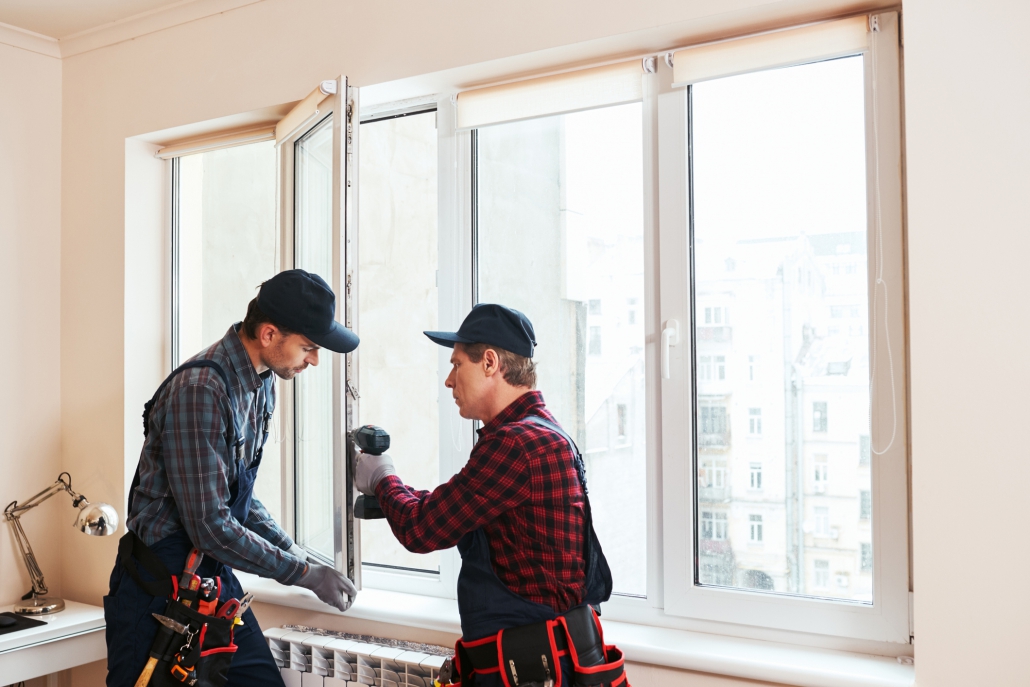
Repair or Replace? A Homeowner’s Guide to Upgrading Old Windows
Windows represent one of those home components that homeowners tend to ignore until problems become impossible to overlook: condensation between panes, drafts that make rooms uncomfortable, or visible deterioration that affects curb appeal. At that point, you face a decision: invest in repairs that might extend the windows’ life a few more years, or commit to residential window replacement that solves problems permanently while delivering energy efficiency improvements.
The right choice depends on several factors, including window age, the extent of damage, your home’s overall condition, and how long you plan to stay in the property. Here’s how to evaluate whether repair makes sense or if double-pane window replacement represents the better investment.
Signs Your Windows Need Attention
Before deciding between repair and replacement, identify exactly what’s wrong. Common issues include visible condensation or fogging between double-pane windows; difficulty opening, closing, or locking windows; noticeable drafts around window frames even when closed; cracked or broken glass; rotting wood frames or sills; and windows that no longer stay open without propping.
Some of these problems respond to repair. A broken latch can be replaced, minor wood rot can be addressed, and single issues on otherwise sound windows often justify repair costs. However, multiple simultaneous problems or damage to critical structural components typically indicate that window replacement makes more financial sense than attempting numerous individual repairs.
When Repair Makes Sense
Window repair becomes the practical choice in specific circumstances. If you have relatively new windows (less than 10 years old) experiencing isolated problems, repair often provides adequate solutions at a reasonable cost. Perhaps one window has a broken seal, causing fogging, or maybe hardware has failed on a few units. Addressing these specific issues extends the windows’ functional life without the expense of full replacement.
Historic homes present another scenario where repair takes precedence. Original windows contribute to architectural authenticity and historic character. Many preservation-minded homeowners invest in professional restoration that maintains original materials while improving performance through weatherstripping, storm windows, or reglazing. This approach balances performance improvements with historic integrity.
The Case for Replacement
Residential window installation makes more sense than ongoing repairs when windows have reached the end of their functional life — typically 15-20 years, depending on quality and maintenance. At this point, you’re likely dealing with failed seals in double-pane windows, deteriorated frames that no longer provide adequate insulation, outdated single-pane construction that never offered good energy efficiency, and cumulative minor issues across multiple windows that would cost nearly as much to repair as replacement.
Energy efficiency represents one of the strongest arguments for replacement. Modern windows with low-E coatings, argon gas fills, and advanced frame materials dramatically outperform windows from even 10 years ago. The energy savings from new windows often offset a significant portion of the installation cost over the windows’ lifetime.
New windows also improve home comfort in ways repair can’t match. Better insulation eliminates cold spots near windows during winter and reduces heat gain during summer. Improved sealing blocks drafts and outside noise. Advanced glass options like impact-resistant or UV-filtering glass provide benefits that older windows simply can’t deliver through repair.
Additional Considerations
Beyond the windows themselves, consider related upgrades. If you’re investing in new windows, you might simultaneously address sliding glass patio doors that often age alongside windows and present similar energy efficiency concerns. Coordinating these projects sometimes provides cost advantages through shared labor and materials ordering.
Think about your timeline in the home, too. If you’re planning to sell within a few years, new windows improve curb appeal and can be selling points that help justify the asking price. If you’re staying long-term, the comfort and energy efficiency improvements pay dividends for years.
Making Your Decision
Start by getting professional assessments from qualified residential window installation companies. They can evaluate your current windows’ condition, explain repair options if viable, and provide detailed replacement proposals. This information lets you make informed decisions based on your specific situation rather than general assumptions.
At Golden Glass, we help homeowners evaluate their window situations honestly, recommending repair when it makes sense and residential window replacement when it represents the better investment. Our team provides detailed proposals that let you understand exactly what you’re getting and what it will cost. Call us today at 800-64-GLASS or fill out our online contact form to schedule your consultation and learn whether your windows would better benefit from repair or replacement.